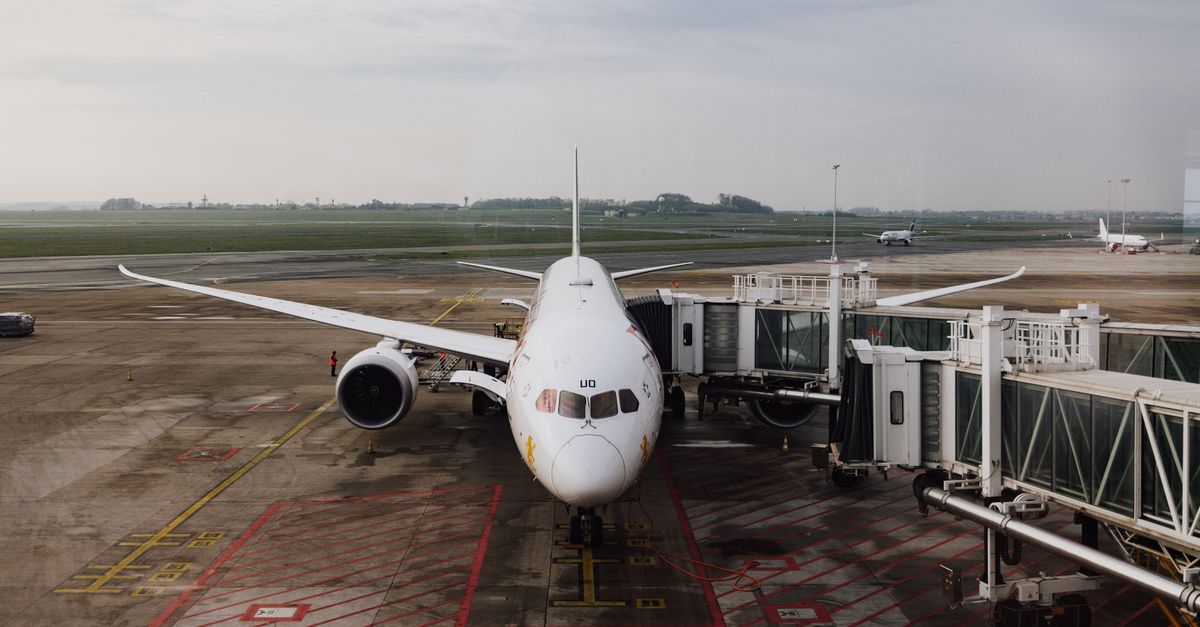
Pets flying into or out of Heathrow as cargo go through the Heathrow Animal Reception Centre (HARC): a pet lands as manifest cargo in the hold, is collected by HARC in a climate-controlled vehicle, has its paperwork checked, and is normally ready to collect within 2 to 4 hours, for £104 to collect plus a £213 or £293 boarding fee. HARC, run by the City of London Corporation, is the only Heathrow facility licensed to handle every animal species and has operated at the airport since 1977. This covers pets travelling in the hold; if you're asking whether your dog or cat can simply sit with you in the cabin instead, the short answer is no for ordinary pets, and our separate guide on cabin pet travel covers that question and the assistance-dog exception.
Why pets go through HARC, not the normal arrivals route
A pet cannot simply be checked in like a suitcase at Heathrow. Dogs, cats and ferrets travelling into or out of the UK must be booked as manifest cargo in the aircraft hold on an airline approved for the route, and on arrival they're handled separately from human passengers entirely. HARC is the Border Control Post and Travellers' Point of Entry for live animals at Heathrow, responsible for transporting animals between the aircraft and its own facility, checking Pet Travel Scheme (PETS) paperwork for compliance, and making sure shipments meet IATA packing requirements. It handles roughly 22,000 dogs and cats a year, alongside horses, reptiles, birds and fish.
What happens when your pet lands at Heathrow
- Collection from the aircraft. HARC staff transport your pet from the plane to the HARC facility on Beacon Road in one of its climate-controlled vehicles.
- Settling in. Your pet is released into its own kennel with fresh water, food and bedding. Cats get a litter tray; dogs get access to an outdoor run.
- Paperwork checks. Staff scan the microchip and check the PETS paperwork. Non-commercial pet movements are checked by HARC staff directly; commercial shipments are checked by the Animal and Plant Health Agency (APHA) instead.
- Customs clearance. Once the paperwork passes, your nominated UK customs agent is contacted to arrange clearance. You need this agent regardless of whether you booked everything yourself or used a pet shipping company.
- Collection. On average, pets are ready to collect within 2 to 4 hours of arrival.
A handful of airlines route their animal cargo differently from the rest: pets arriving with IAG Cargo, Air India, Lufthansa, El Al, Oman Air, Turkish Airlines or Austrian Airlines are handled through those carriers' own cargo arrangements rather than collected at the HARC facility, so check with your airline or shipper which process applies before you travel.
HARC fees
| Fee | Cost |
|---|---|
| Collection from the aircraft | £104 |
| Boarding, with a PETS paperwork pre-check | £213 |
| Boarding, without a pre-check | £293 |
| Each additional pet in the same shipment | £55 |
These HARC charges are only part of the total bill. Airline handling fees, the travel crate, and your pet shipper's own fee are separate and vary by airline, destination, and the size and weight of your pet, so get a full quote from your pet transport agent rather than budgeting on the HARC fee alone.
Do you need a pet shipper, and do you still need a customs agent either way?
HARC recommends using an IPATA-approved pet shipper, who organises the flight booking, the travel container, airline check-in and a nominated UK agent on your behalf. You can also arrange it yourself. Either way, you must appoint a UK customs agent to clear your pet; this step isn't optional and isn't something HARC itself can do for you.
Documents and preparation before you fly
To enter Great Britain without quarantine under the Pet Travel Scheme, dogs, cats and ferrets generally need, in this order: a microchip meeting ISO 11784/5 standard, a rabies vaccination given after the microchip was read and at least 21 days before arrival, and for dogs arriving from certain countries, a tapeworm treatment given by a vet 24 hours to 5 days before arrival. Pets that don't meet the requirements can be placed into quarantine for up to 4 months or refused entry, so check the current rules on GOV.UK well before booking a flight rather than assuming last year's requirements still apply.
What to bring when you collect your pet
- Photographic ID
- The air waybill
- A lead and collar, if you're collecting a dog
HARC has free customer parking at its own facility.
Assistance dogs are a separate, faster process
Assistance dogs travelling in the cabin go through a different process from pets travelling as cargo. Heathrow requires HARC approval at least 72 hours before an assistance dog's flight into the UK, and you'll need to show your acceptance letter before boarding. See our guide to cabin pet travel and assistance dogs for how that process works and which breeds some airlines still exclude from the cabin.
What if my dog might be a restricted breed?
HARC is not authorised to assess whether a dog is a prohibited type under the Dangerous Dogs Act, and it can't give assurances either way. If you're unsure, contact the police force covering the area you're moving to before you travel, since only specially trained officers can make that determination.