Heathrow to Harwich International Port has no direct train, bus or coach — the realistic choice is a pre-booked private taxi, from around £370 and taking about 2 hours 20 minutes for the 100-mile run, or the public transport route via central London, which costs roughly £45-£85 and takes around 2 hours 40 minutes. Driving yourself is the cheapest option if you have a car, at around 2 hours 15 minutes. Checked 2026.
How do I get from Heathrow to Harwich International Port?
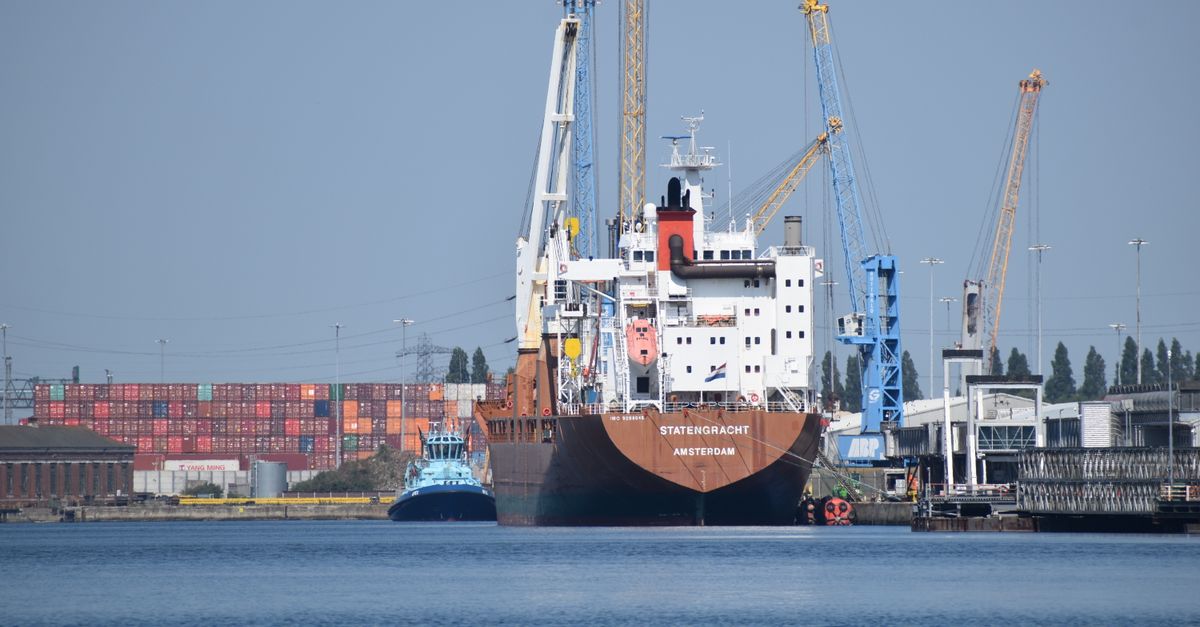
Harwich International Port, on the Essex coast near the Suffolk border, is used by cruise lines and by DFDS ferries to the Netherlands and Denmark. It's roughly 100 miles from Heathrow by road, considerably further than Heathrow's other cruise-port routes to Southampton or Dover, which pushes both the time and the cost up noticeably.
| Mode | Journey time | Typical cost | Notes |
|---|---|---|---|
| Private taxi/transfer | About 2h 20m | From £370 (saloon, per vehicle) | Fixed price from a licensed operator, door to door |
| Rail (Underground/Elizabeth line + Greater Anglia) | About 2h 40m | From roughly £45-£85 | Change at London Liverpool Street, then direct Greater Anglia service |
| Drive yourself | About 2h 15m | Fuel + parking | Around 100 miles via the M25 and A12 |
| Bus/coach | Around 4h 45m+ | From about £40-£50 | Multiple changes, impractical with luggage |
Taxi or private transfer
Given the distance, a licensed private transfer is priced accordingly: one operator quotes a fixed £370 from Heathrow Terminal 4 for a standard saloon (up to 4 passengers, 2 large bags), rising to around £406 for an estate and considerably more for minibuses carrying larger groups. This is the only way to go door to door without a change, which matters if you're carrying cruise or ferry luggage. Get a written, fixed quote before you travel and confirm which Heathrow terminal the driver will collect from, since pricing can vary by terminal.
Train: changing in London
There's no direct rail link from Heathrow to Harwich. The practical route is: take the Elizabeth line or Piccadilly line from your Heathrow terminal into central London, then pick up a Greater Anglia service from London Liverpool Street straight through to Harwich International station, which sits right by the port. The London-to-Harwich leg itself runs directly in a little over an hour, with fares from around £18-£23 one way depending on when you travel and how far ahead you book. Add the Heathrow-to-London portion and the realistic door-to-door time comes to about 2 hours 40 minutes.
Harwich International station is the one to aim for, not Harwich Town or Dovercourt — International station is the closest to the port's passenger terminal.
Is there a direct bus or coach?
No. There's no single bus or coach service between Heathrow and Harwich. A bus-only journey needs at least two changes via central London and typically takes close to 5 hours, which makes it a poor fit for anyone with ferry or cruise luggage on a sailing deadline.
Driving yourself
If you're renting a car or driving your own, the route is largely motorway: the M25 around London, then the A12 towards Colchester and on to Harwich, covering around 100 miles in about 2 hours 15 minutes outside peak traffic. This is the cheapest option if you already have a vehicle, though it adds the cost and hassle of parking at the port for the length of your cruise or ferry trip.
Which Heathrow terminal matters
For the rail route, the Elizabeth line and Piccadilly line serve Terminals 2, 3 and 5 directly, with Terminal 4 connected by a short rail link into the same lines. For a pre-booked taxi, the driver collects from whichever terminal you land at, though it's worth confirming this when booking since quoted prices sometimes specify a terminal.
Timing margin for a sailing
Because this is the longest of Heathrow's main cruise and ferry port routes, build in extra margin. On top of the 2h 15m to 2h 45m journey itself, allow time to clear immigration and collect baggage at Heathrow, plus whatever check-in window your cruise line or ferry operator asks for at the port. An early-morning or overnight flight arrival gives the safest buffer for an afternoon sailing.