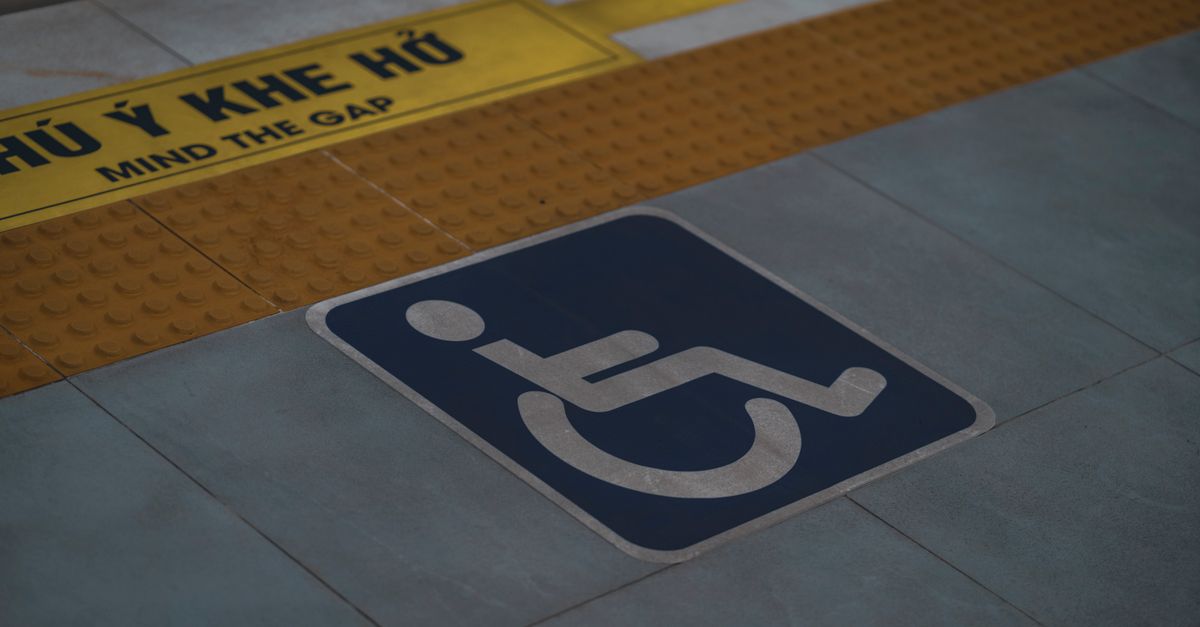
Book special assistance through your airline, travel agent or tour operator — never directly with Heathrow — at least 48 hours before you fly. That single booking covers help from arrival at the airport through check-in, security and boarding, in any of Heathrow's four terminals (T2, T3, T4 and T5). This guide covers how to book, what to expect on the day, hidden disabilities, assistance dogs, and the airport's Changing Places toilet.
How to book special assistance
Special assistance (sometimes called PRM, or "passenger with reduced mobility", assistance) is arranged through whoever sold you your ticket, not Heathrow Airport itself:
- Contact your airline, travel agent or tour operator — usually via the "special assistance" or "accessibility" option when you book, or by calling their customer service line afterwards.
- Do this at least 48 hours before departure. Earlier is better, especially in peak summer or around Christmas, when demand for wheelchairs and buggies is highest.
- Say exactly what you need: a wheelchair for the whole journey or just for longer distances, help at check-in, an aisle chair for boarding, a companion to accompany you to the gate, or hidden-disability support.
- If you forget to pre-book, you can still ask for help on arrival at the terminal, but you may wait longer and the airport can't guarantee the same level of support, so pre-booking is strongly recommended.
Once booked, your airline passes the request to Heathrow's assistance provider, who will meet you at an agreed point — commonly a designated assistance desk, the drop-off area, or a car park space if you've arranged a Blue Badge or accessible parking bay. If you're driving in, check our parking and drop-off guides for where accessible spaces and pick-up points are relative to each terminal's assistance desk.
What happens on the day
Assistance staff meet you at the agreed point and stay with you (or hand you to the next team) through:
- Check-in, where staff can help with luggage and printing documents.
- Security, where you'll typically be guided through an accessible lane rather than the general queue. Standard Heathrow security waits run 15–30 minutes (checked 2026), and assistance staff can help reduce the time you spend standing if that's a concern — flag it when you book.
- The route to your gate, by wheelchair, buggy or on foot with a guide.
- Boarding, including priority boarding and an aisle chair if you can't walk to your seat unaided.
If you're travelling with a young child as well as mobility needs — for instance a wheelchair user also bringing a pushchair — our guide to Heathrow with a baby: pushchairs, car seats and security explains how buggies and car seats are handled at the same security checkpoints.
Connecting between terminals with assistance takes longer than a standard transfer, since staff will move you by accessible vehicle rather than the general bus. Build in extra time, particularly between T4 and T5, and see how to find your Heathrow terminal if you're unsure which one you're flying from.
Hidden disabilities: the Sunflower lanyard
Not every disability is visible, and Heathrow supports the Hidden Disabilities Sunflower scheme for conditions such as autism, dementia, anxiety, chronic pain or hearing loss that aren't obvious to staff or other passengers.
- Sunflower lanyards are free and available from any assistance desk in the terminals — no proof of diagnosis is needed.
- Wearing one is a discreet signal to staff that you may need a little more time, patience or a different way of communicating, for example at security or when boarding.
- It's a voluntary, low-friction option even if you haven't pre-booked full special assistance — you can simply collect one when you arrive.
Assistance dogs
Every airline flying from Heathrow is required to carry recognised assistance dogs free of charge in the cabin.
- Notify your airline at least 48 hours before you travel, the same window as for other special assistance, so they can confirm documentation and seating.
- Your airline will tell you what paperwork the dog needs (this varies by destination country as well as UK rules, so check with them directly rather than assuming).
- Assistance dogs can accompany you through security and the terminal in the normal way; let assistance staff know if your dog needs a relief area, and they can point you to the nearest one.
Changing Places toilet
Heathrow has a Changing Places toilet available for departing passengers, offering extra space and equipment (such as a height-adjustable bench and hoist) beyond a standard accessible toilet.
- You'll need a RADAR key to open it. If you don't already carry one, you can borrow one from the assistance area.
- Because it's for departing passengers, plan to use it before you go through security if that's part of your routine, and ask assistance staff exactly where it is in your terminal, since layouts differ between T2, T3, T4 and T5.
Getting to and from Heathrow
If you're arranging your own transport rather than being dropped off, both pre-booked minicabs and licensed black cabs can carry wheelchairs and mobility equipment — check accessibility when you book. Our taxis guide covers fares and where the ranks are at each terminal; if you'd rather pre-book an accessible vehicle in advance, 247 UK Airport Taxi, part of the Tick Taxi group, is the operator this site recommends for pre-booked journeys and can be asked about wheelchair-accessible cars when you reserve. For general questions about getting through the airport, our FAQs page covers routes, parking and terminal basics.
FAQs
How far in advance do I need to book special assistance at Heathrow?
At least 48 hours before your flight, through your airline, travel agent or tour operator rather than directly with the airport. Earlier is better if you're travelling at a busy time.
What if I didn't book assistance and need it on the day?
You can still ask for help when you arrive at the terminal, but waiting times may be longer and the level of support can't be guaranteed in the same way as a pre-booked request.
Do I need to prove I have a hidden disability to get a Sunflower lanyard?
No. Sunflower lanyards are free and available from any assistance desk in the terminals, with no need to show proof of diagnosis.
Can I bring my own wheelchair, or does Heathrow provide one?
Both are possible — tell your airline what you need when you book, whether that's using your own mobility equipment throughout or being provided with an airport wheelchair for the terminal.
Do I need my own RADAR key for the Changing Places toilet?
Not necessarily. You can borrow one from the assistance area if you don't already carry one; the toilet is available for departing passengers.
What documentation does my assistance dog need?
Your airline will confirm the paperwork required, which can vary by destination as well as UK rules — notify them at least 48 hours before travel so there's time to check.